
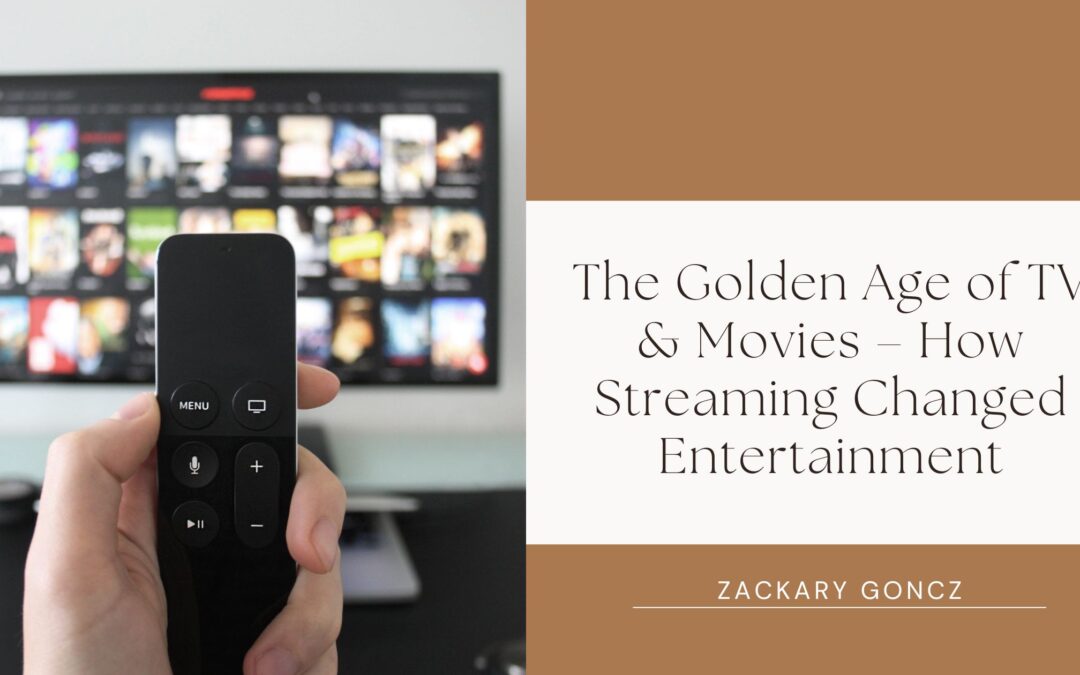
In the past decade, the entertainment industry has undergone a seismic shift. Traditional cable and movie theaters once dominated, but now streaming platforms like Netflix, Disney+, Amazon Prime, and Max have reshaped how we consume stories. This evolution has not only changed viewer habits but also how films and TV shows are produced, marketed, and remembered.
Streaming has created what many call the “Golden Age of Content.” Audiences have instant access to thousands of shows and films across genres and languages. Global hits like Squid Game or Money Heist prove that great storytelling transcends borders. Instead of waiting for weekly episodes, viewers binge entire seasons in one sitting, redefining how narratives are structured.
At the same time, movie theaters are facing both challenges and opportunities. While blockbusters like Avengers: Endgame or Top Gun: Maverick continue to draw crowds, smaller films often find larger audiences online. The pandemic accelerated this shift, making streaming the go-to entertainment source.
But is streaming a threat or a new frontier? For creators, it’s both. On one hand, there’s more opportunity than ever for diverse voices to be heard. On the other, the sheer amount of content means competition for attention is fierce. Studios are now investing heavily in original programming, often with cinematic budgets that rival Hollywood films.
Looking ahead, the future of TV and movies seems to blend the two worlds: theaters for immersive, big-screen experiences, and streaming for convenience and variety. Audiences win either way—they have more choices, more stories, and more ways to experience the art of storytelling than any generation before them.